Chest Wall Deformities (CWD)
Overview
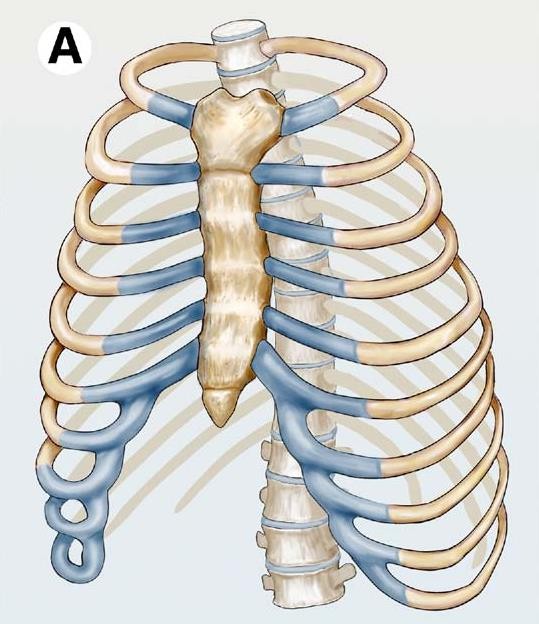
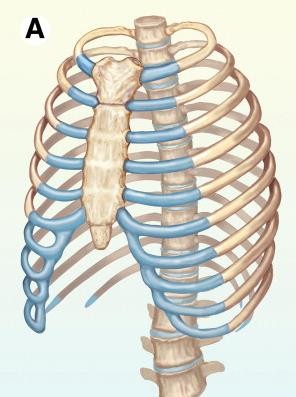
Chest Wall Deformities (CWD) are a group of conditions characterized by abnormal development or structure of the chest wall. These disorders may be congenital, present from birth due to developmental abnormalities, or acquired as a result of trauma, injury, or underlying disease. Chest wall deformities can affect not only the appearance of the thorax but also cardiopulmonary function and overall quality of life.
Common chest wall disorders include rib fractures, conditions requiring sternal fixation, and pectus deformities such as pectus excavatum and pectus carinatum.
ASSK PHARMA provides comprehensive solutions for the management of chest wall deformities, offering both surgical and non-surgical treatment options tailored to patient needs.
Treatment Solutions
- Rib and Sternum Stabilization: Rib fractures and sternal injuries can be effectively managed through advanced surgical sets and implant stabilizers designed for rib and sternum fixation, ensuring stability, pain reduction, and improved healing outcomes.
- Pectus Deformities: Pectus malformations can be treated using:
- Non-surgical (non-invasive) solutions for selected cases
- Surgical minimally invasive correction, including the NUSS procedure
ASSK PHARMA supplies a complete NUSS procedure system, including full surgical sets, bars in all lengths, and stabilizers, enabling surgeons to perform the procedure safely and efficiently.
Risk Factors
Chest wall deformities typically result from uneven growth of the cartilage connecting the ribs to the sternum. Although the exact cause is not fully understood, these conditions often show a familial tendency. Potential clinical implications and risk factors include:
- Cardiac manifestations due to compression or displacement of the heart
- Respiratory compromise affecting lung capacity and function
- Digestive symptoms, such as gastroesophageal reflux
- Psychological and emotional impact, particularly in adolescents and young adults
Symptoms
- Shortness of breath with minimal physical effort
- Compression or displacement of the heart
- Gastroesophageal reflux, especially after food intake
- Psychological distress, including reduced self-esteem and social anxiety
Diagnosis
A comprehensive, multidisciplinary diagnostic approach is essential for accurate evaluation and treatment planning. Diagnostic assessments may include:
Cardiology
- Electrocardiogram (ECG/EKG)
- Echocardiography (ECHO)
Pulmonology
- Pulmonary Function Tests (PFT)
- Cardiopulmonary Exercise Testing (CPET)
Imaging
- Computed Tomography (CT)
- Magnetic Resonance Imaging (MRI)
Ophthalmology & Others
- Dilated eye examination (to exclude Marfan syndrome)
- Allergy Testing: Metal patch testing (EAZE) prior to implantation of NUSS bars
- Genetic Evaluation: When clinically indicated or upon specialist request
Prevention and Management
While chest wall deformities cannot always be prevented, early diagnosis and proactive management can significantly improve outcomes. In selected cases, targeted physiotherapy and rehabilitation exercises may help improve posture and respiratory function. Nutritional counseling by a dietitian is recommended, along with regular clinical follow-up to monitor progression and optimize treatment timing.
Treatment
Minimal Invasive
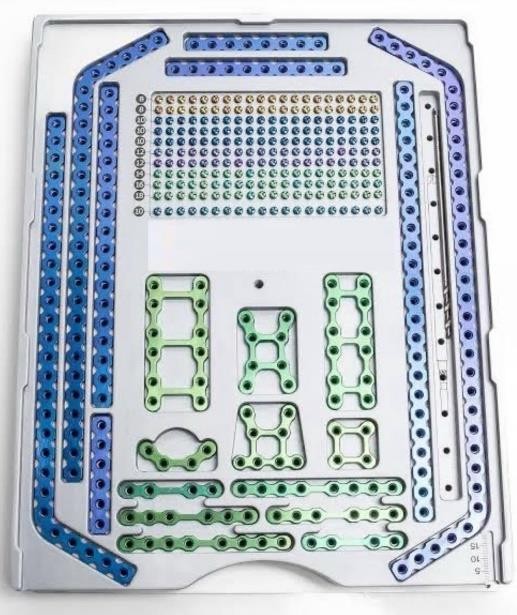
- Rib Fracture Sternum fixation Set: The ability to supply full hand set with different implant titanium plate aid to help patients exposed to ribs fracture and the same applied for sternum implant.
- Nuss Procedure Set, Bars and Stabilizer:
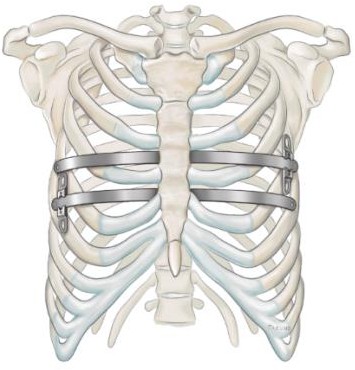 Dr. NUSS full hand set, bars with different sizes, Stabilizers and screw could be supplied with high quality standard from Turkish origin.
At the same time Assk Pharma follow up their patients along the treatment period in addition to supplying the patients with rehabilitation and nutrition programs.
Non Invasive Managements
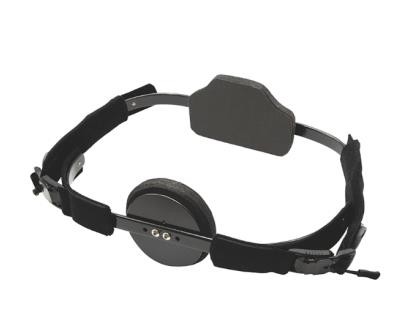
- Pectus Carinatum (PC) - Bracing Device (Custom made): According to certain patients criteria including age, flexibility of the chest wall, measures and photographs we prepare the bracing devices and follow up the patients along the treatment period with very good successful rate by flatting the sternum and the patients get normal chest wall without any deformities.
- Pectus Excavatum:
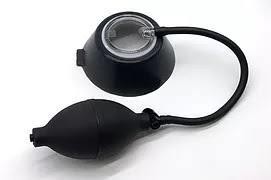 The vacuum bell acts as a suction cup that lifts the sunken chest. Vacuum bell therapy slowly corrects the Pectus excavatum. For the therapy to be successful, the child will need to wear the vacuum bell over a long period of time. This can be for one to two years. Certain measures and photos must be taken for the patients underwent vacuum therapy while rehabilitation, nutrition program and close follow up by our specialist to all patients.